

Industry Focus
Debt Collection for Wholesalers & Distributors
Wholesale and distribution runs on trade terms, purchase orders, and thin margins. JSD recovers past-due commercial balances for wholesalers and distributors, including unpaid invoices, deductions, disputed shipments, and aged retailer and dealer accounts.
The Industry
Wholesale and distribution billing covers a lot of ground.
A wholesaler or distributor may be owed for direct customer invoices, distributor or reseller balances, retailer and dealer accounts, drop-ship freight, seasonal pre-book orders, or long-aged receivables on extended trade terms. Each balance has a different story, and recovering it requires understanding what that story is.
We review the available purchase order, invoice, delivery records, and dispute documentation before approaching the account. That review tells us who holds payment authority, what objections are likely, and how to move the account toward resolution without burning a relationship the client still needs. JSD handles commercial collections across a wide range of industries, including wholesale and distribution accounts.
Past-Due Balances We Help Recover
Common Problems
Where wholesale and distribution payments get stuck.
Wholesalers and distributors extend trade terms and process high volumes of invoices, shipments, and returns. Deductions, disputed shipments, buying group purchases, and extended dating terms all move through different approval paths, and when an invoice stalls it can sit for months without anyone actively pushing it forward.

Extended trade terms
Net 60, net 90, or seasonal dating terms give a customer a long runway before an invoice is even late. By the time that runway ends without payment, the account has often already aged past the point of easy recovery.
Deductions and short pays
A customer pays part of an invoice and deducts the rest for a return, chargeback, co-op advertising credit, or shortage claim, sometimes without any documentation. Sorting the valid deductions from the unsupported ones is where balances actually get resolved.
Disputed shipments
A customer claims a shipment arrived short, damaged, or different from what was ordered. Evaluating that objection often comes down to the packing slip, delivery record, bill of lading, and any signed proof of delivery.
Slow-paying retailer and dealer accounts
An account can remain undisputed while payment continues to slip beyond the agreed terms. What begins as slow payment can eventually become a stale receivable requiring more direct follow-up.
Buying group and rebate confusion
Purchases routed through buying groups, co-ops, or rebate programs can create confusion about who actually owes what, and the invoice sits while both sides assume the other party is handling it.
Relationship protection
Sales reps and account managers are often reluctant to push a paying-but-slow customer too hard for fear of losing the relationship, and the balance keeps climbing while no one wants to make the call.
When to Escalate
| Situation | Next step |
|---|---|
| 30 to 45 days late | Confirm invoice and delivery receipt, verify no dispute is open |
| 60 to 90 days late | Move from reminders to formal demand |
| Deduction taken without documentation | Request supporting paperwork or move to reverse it |
| Shipment shortage or damage claim raised | Gather the PO, BOL, and proof of delivery before responding |
| 90+ days on extended trade terms | Treat as past due, not just slow-paying |
| Balance bouncing between buyer and AP contacts | Centralize the account and escalate |
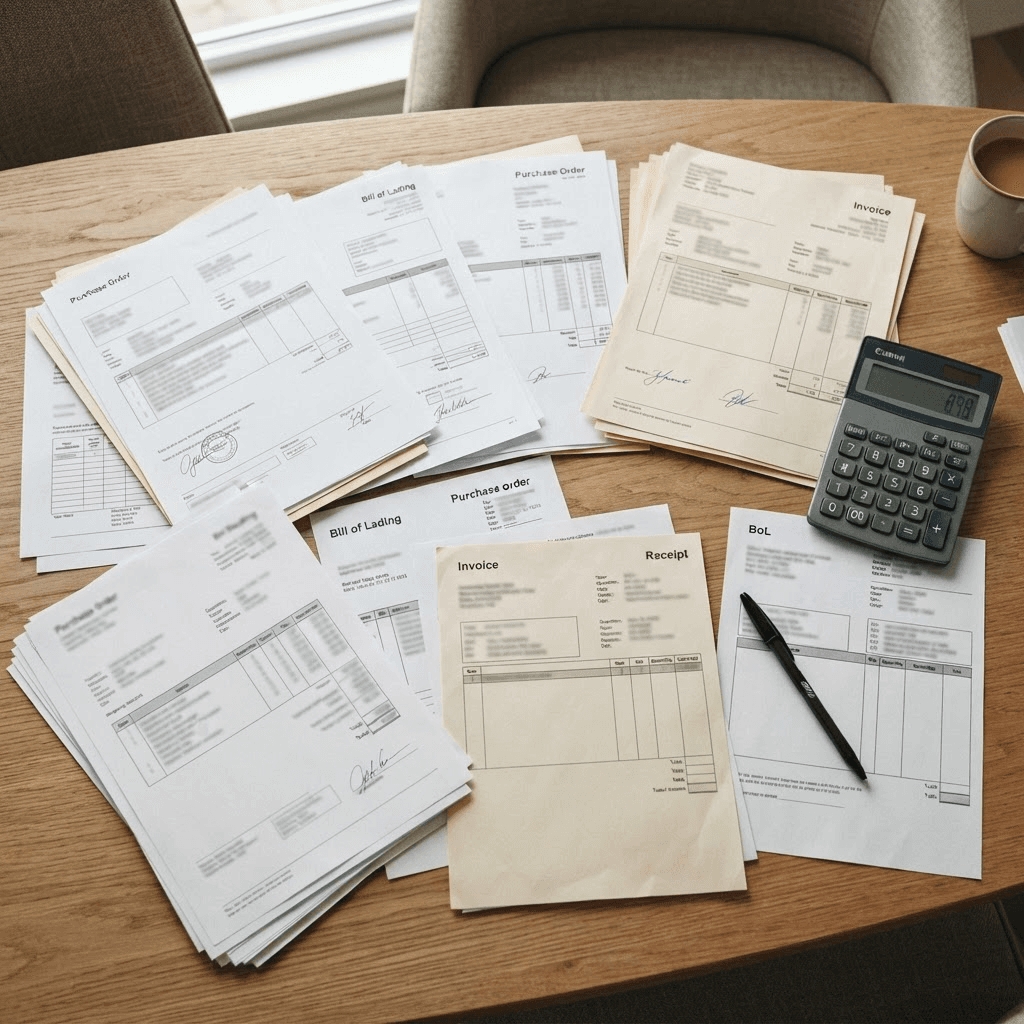
Documentation
Every wholesale balance has a paper trail.
Wholesale and distribution collections often come down to the details. The purchase order, packing slip, bill of lading, signed proof of delivery, or credit memo can determine whether an account resolves or gets written off as an unsupported deduction.
JSD reviews the account before contact goes out so the customer is not approached with a generic demand that misses the reason the invoice exists. Purchase orders, delivery records, packing slips, credit memos, and correspondence all strengthen the recovery effort.
Common Debtors
Who wholesalers and distributors chase for payment
Wholesalers and distributors commonly extend credit to a wide range of customer types, each with its own approval process and reasons an invoice may become delayed. JSD works accounts across all of them.
The Process
We review the account before we make contact.
JSD reviews the invoice, balance age, customer type, order history, and any dispute or deduction notes before deciding how the account should be approached. Understanding what was ordered and shipped is what makes the first contact count.
Account review
Invoice, purchase order, delivery record, and any dispute or deduction notes. We review what is available on what was ordered, shipped, and delivered before approaching the account.
Professional contact
Direct commercial contact to the person who has authority to pay. Not a call center script, not a generic demand letter.
Dispute clarification
If the customer objects, we identify the actual issue instead of letting a vague shortage or damage claim stall the balance indefinitely.
Recovery or resolution
Payment in full, a payment plan, a verified dispute, or closure with documented reasoning. We document the outcome and recommend the appropriate next step.
Get Started
Place a wholesale or distribution account
Send us the balance, customer name, invoice age, and any supporting documentation. We will tell you directly whether it is worth placing and what the process looks like.
FAQ
Common questions about wholesale and distribution collections.
- Do you understand wholesale and distribution billing?
- Yes. Wholesale and distribution companies bill across a wide range of account types, including direct customer invoices, distributor and reseller balances, drop-ship arrangements, and seasonal pre-book orders. Each has different documentation and approval paths. We read the underlying purchase order and delivery record before making contact so the conversation reflects what was actually ordered and shipped.
- Can you collect on deductions and short pays?
- Yes. Deductions for returns, shortages, chargebacks, and co-op advertising are common in wholesale and distribution accounts. We review whether the deduction is documented and supported before deciding how to approach the balance, and pursue the unsupported portion.
- Can you handle disputed shipment claims?
- Yes. Short, damaged, or incorrect shipment claims are common reasons wholesale invoices become disputed. Purchase orders, packing slips, bills of lading, and signed proof of delivery typically establish whether the claim holds up.
- Will collections affect our ongoing customer relationships?
- We approach every account with the goal of recovering the balance without destroying the underlying business relationship. A customer who owes money on a trade account is often still a current customer, and how that account is worked affects whether they remain one.
- When should a wholesaler or distributor place an account?
- If an account reaches 60 to 90 days past due and internal follow-up is no longer producing results, it may be time to consider third-party collections. Extended trade terms can cause companies to wait even longer before escalating an account, but older balances generally become more difficult to recover.
Ready to place an account?
Send us the balance, the customer name, and the invoice age. We will tell you directly what is recoverable and what the process looks like. No commitment required.
Start a free placement reviewRelated reading
Other industries we serve